Keep me updated!
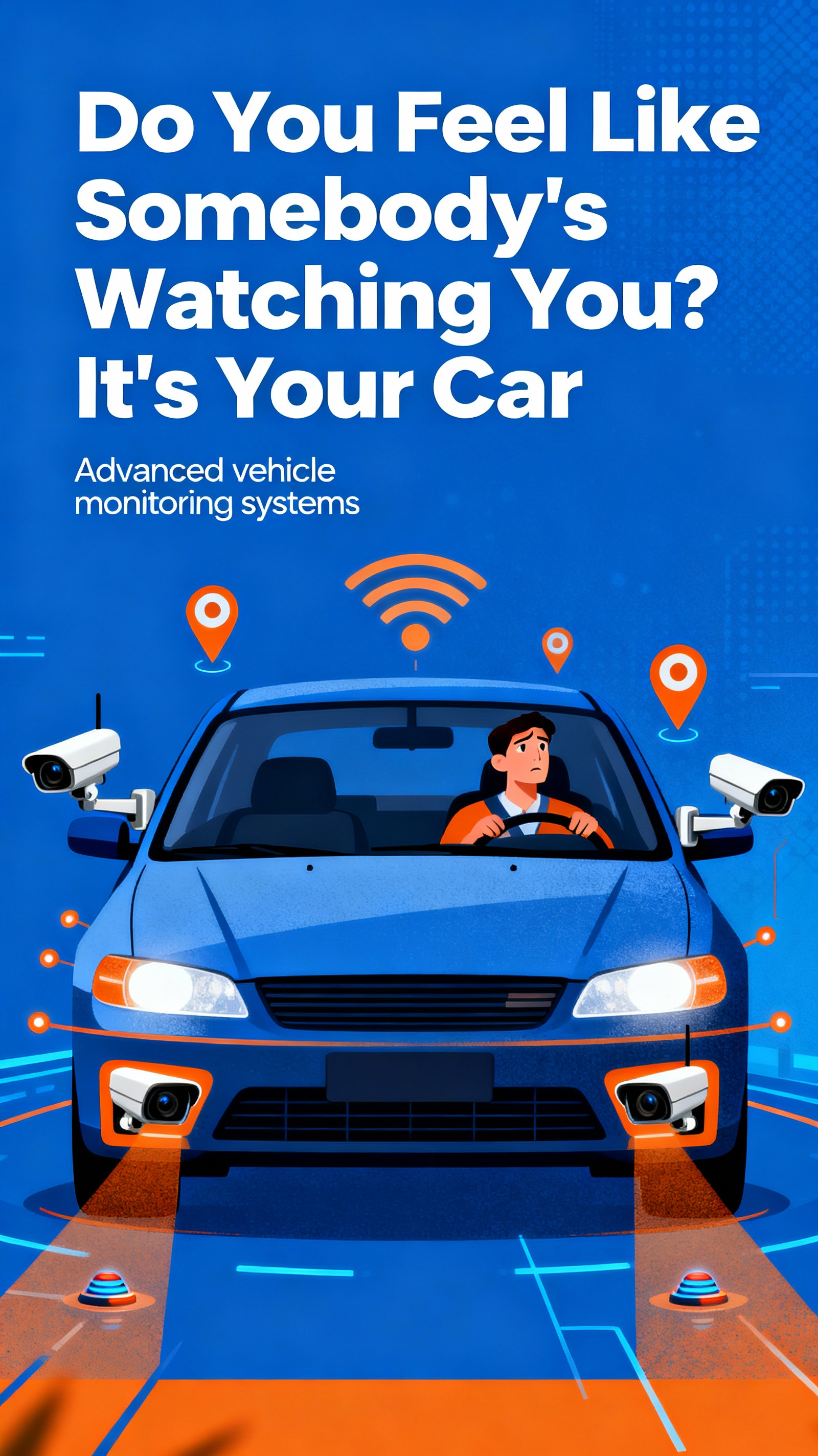
We all crave privacy. We all hate being watched. But if you own a modern car from
Tesla, BMW, Mercedes-Benz, Audi, Lexus, Volkswagen, Acura, Ford, Cadillac, Lincoln, Fiat, Jeep, Chrysler, Toyota, Subaru, Honda, Hyundai, Kia, Dodge, GMC, Buick, Chevrolet or Nissan (yes, basically everyone), then buckle up — because you are being watched. And worse:
you gave permission.
According to a detailed report from the
Mozilla Foundation, automakers are collecting astonishing levels of personal data. Not just how you drive — but what you do in your car. And 84% of manufacturers openly admit they share or sell that information.
Let’s break this down.
Your Car Tracks Way More Than You Think
Sure, you expect your car to know how fast you’re going, how hard you brake, and whether you took that right turn at 55 mph. But manufacturers also track:
- Your acceleration habits
- Your location — constantly
- Your seatbelt usage
- Your steering-wheel movements
- Your driving mood (yes, mood)
Some of it goes straight to
insurance companies. So don’t be shocked when your car insurance premium mysteriously goes up — your driving data may have tattled on you.
Keep me updated!
Yes, They’re Recording You Inside the Car
Many newer vehicles come equipped with
internal cameras meant for “safety,” “driver monitoring,” or “enhanced features.” But those cameras can — and do — capture far more than lane drifting.
Mozilla found that some automakers (Tesla being the most publicized) stored and shared internal recordings. Among the clips employees reportedly viewed internally:
- People having sex inside their cars
- Naked passengers
- Road-rage meltdowns
- Airbag explosions
- Crash footage
- Embarrassing moments of all kinds
And remember — these recordings don’t stay in your car. They’re uploaded to servers, accessible to employees, and potentially shareable with third parties.
“But I Never Agreed to This!”
Actually… you did.
When you buy or lease a car, you’re given a phonebook-sized stack of paperwork and digital agreements. Buried inside those pages is language stating you consent to:
- Data collection
- In-cabin audio and visual monitoring
- Sharing that data
- Selling that data
Automakers defended themselves by saying:
“It’s all disclosed in the privacy policy.”
But let’s be honest — most people treat privacy policies the same way they treat software updates:
Scroll … scroll … scroll … click agree.
Why Do Automakers Want Your Data?
One word:
money.
Your car is now a rolling data-harvesting machine. Automakers profit by selling your information to
data brokers, who then sell it to:
- Advertisers
- App developers
- Consumer tracking companies
- Other third-party marketplaces
Imagine advertisers knowing:
- What stores you visited today
- How stressed you were while driving
- Whether you had passengers
- Your exact commute route
- Whether you tend to brake late
- Whether you argue in the car (audio analysis is a thing)
It’s gold for marketers. And it’s happening right now.
The Harsh Reality: Privacy Is Gone
Your phone listens.
Your smart speaker listens.
Your employer monitors your emails.
Your social media tracks every click and pause.
And yes — your car is listening, watching and reporting back.
Today’s vehicles are less like cars and more like surveillance devices on wheels. You’re not just buying heated seats and Bluetooth — you’re buying into a data-collection ecosystem you can’t really opt out of.
The takeaway:
If you’re in a modern car, you’re being monitored. Constantly. And legally — because you said yes without knowing you said yes.
Want to learn more about insurance? Visit KarlSusman.com.
Keep me updated!